Who’s actually paying for the wedding?
It’s one of the first questions couples ask, and most of the answers online don’t reflect how weddings are planned now.
In reality, there isn’t a fixed structure anymore. In most cases, the couple is covering the majority of the cost.
That usually includes the venue, catering, drinks, and anything tied to the guest experience. These are also the biggest expenses, especially once guest numbers move past 100.
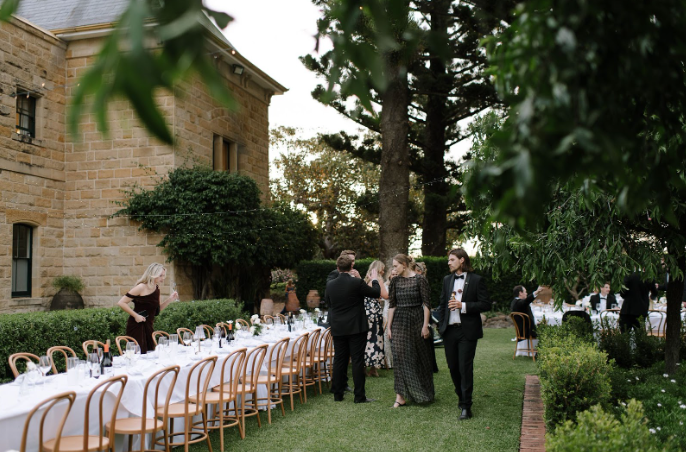
Guest count is what drives almost every cost decision.
More people means more food, more drinks, more seating, and more staff. It also affects how the day needs to be structured. This is why the venue becomes one of the first and most important decisions. It sets the framework for everything else.
Family still contributes, but it’s more flexible than it used to be.
Some parents offer a set amount. Others choose to cover specific parts of the day, like catering, photography, or accommodation. There’s no standard split. What matters is having that conversation early, before anything is locked in.
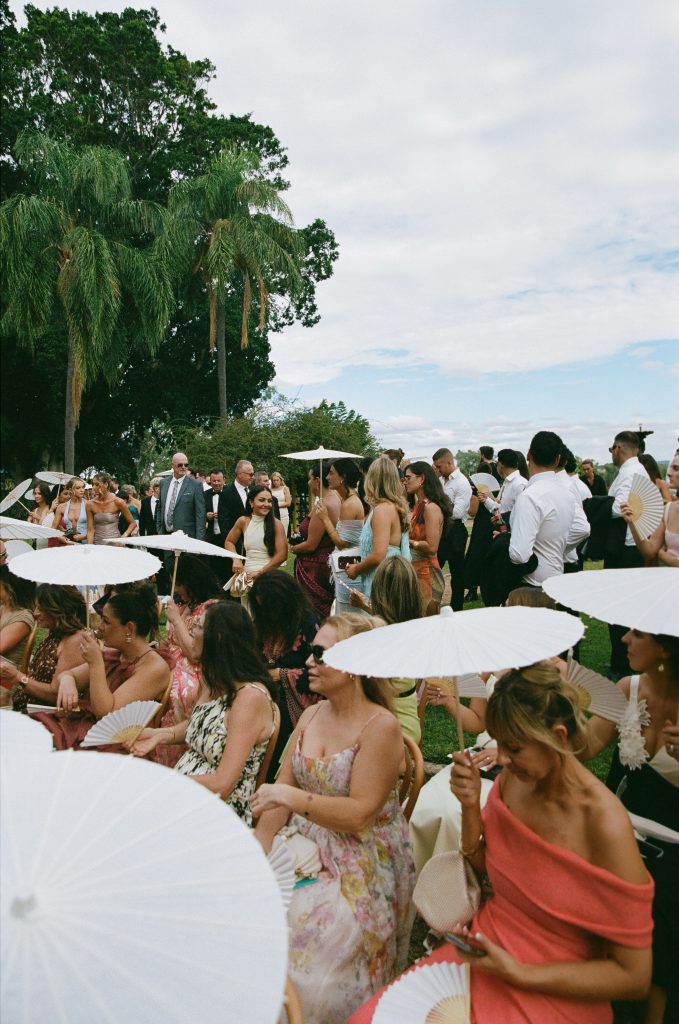
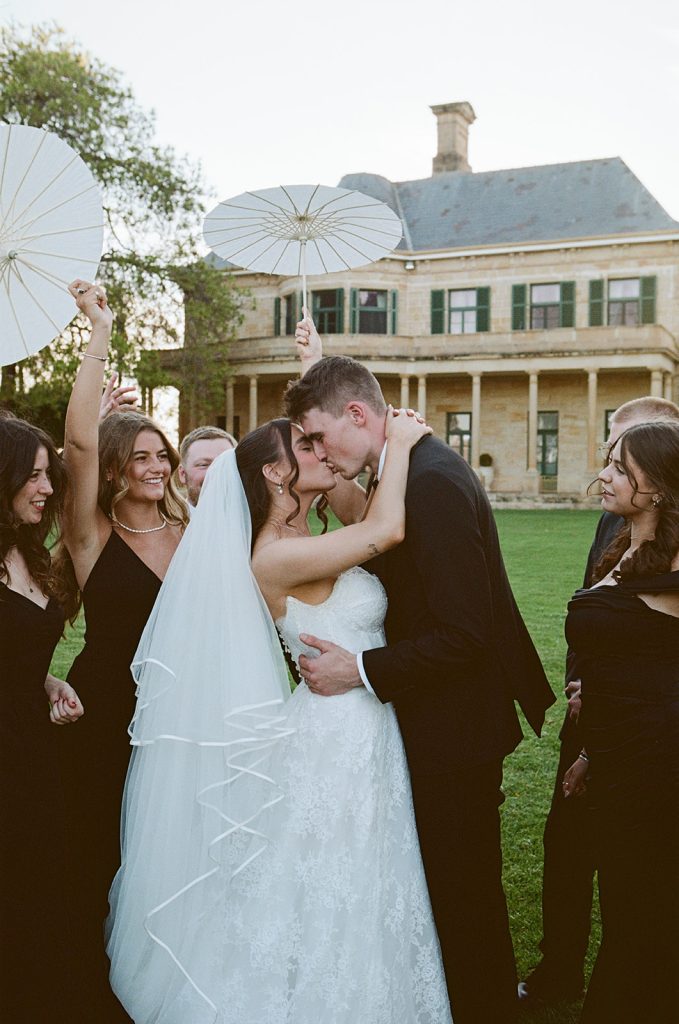
The wedding party is where things tend to vary.
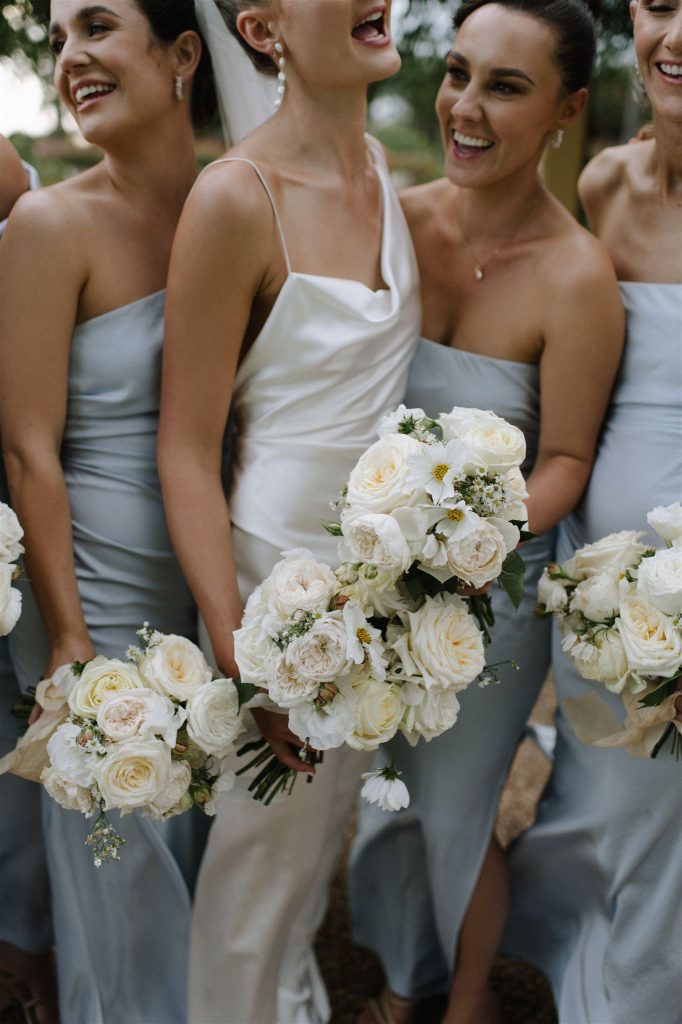
Bridesmaids and groomsmen often pay for their own outfits, but not always. Some couples choose to cover dresses or suits, and sometimes hair and makeup. It comes down to budget and preference. The key is being clear from the start.
Guest experience is where costs can shift quickly, and it’s often underestimated.
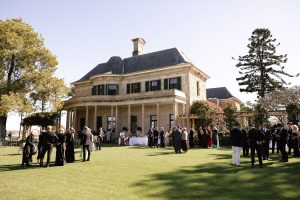
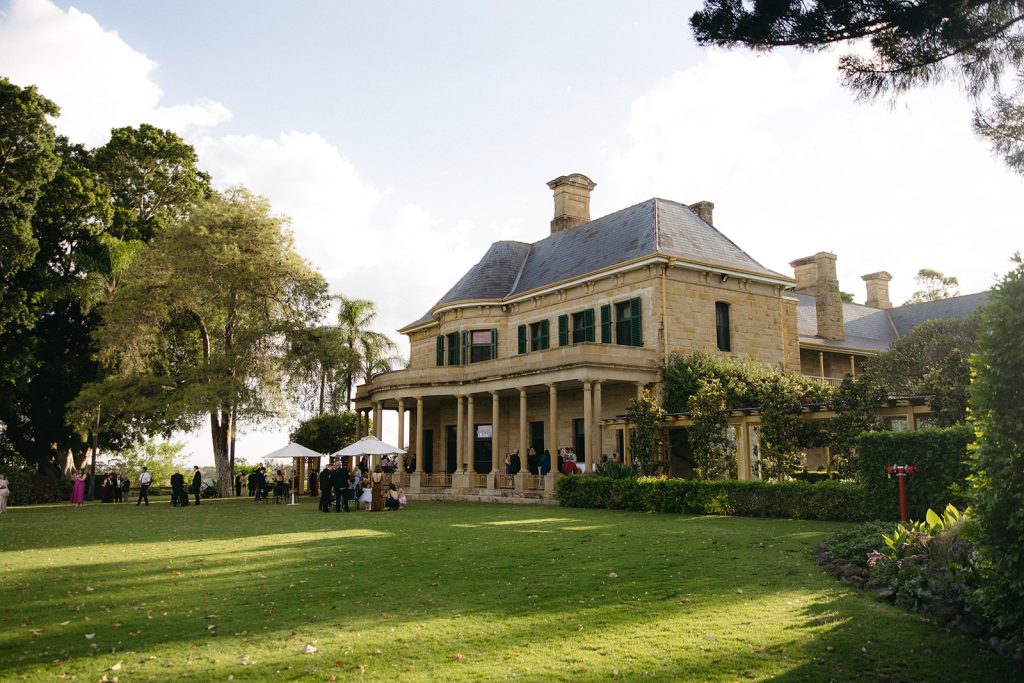
A formal sit-down dinner costs more than a shared menu. Multiple locations add transport and coordination. This is where you can limit those expenses with an all-in-one destination wedding venue like Jimbour House. Outdoor setups can change hire requirements. These decisions don’t sit on their own. They all connect back to budget.
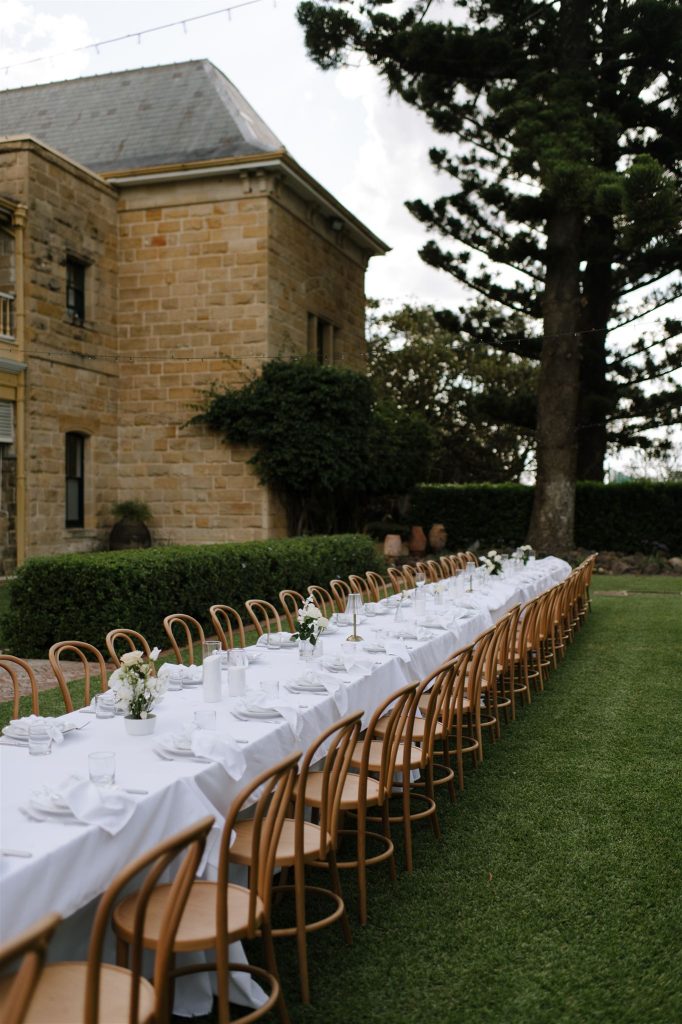
Keeping everything in one location can make a noticeable difference.
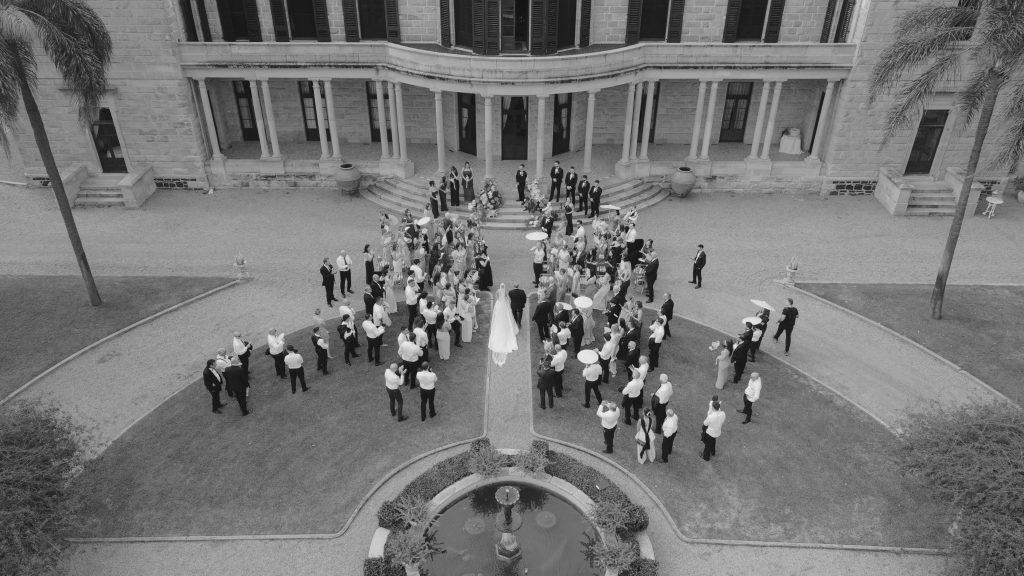
When the ceremony, cocktail hour and reception are held in the same place, you remove the need for transport, reduce duplicated setups, and simplify the timeline. A well-designed venue also carries a lot of the atmosphere, which means less reliance on additional styling. For example, you can repurpose ceremony flowers for the reception.
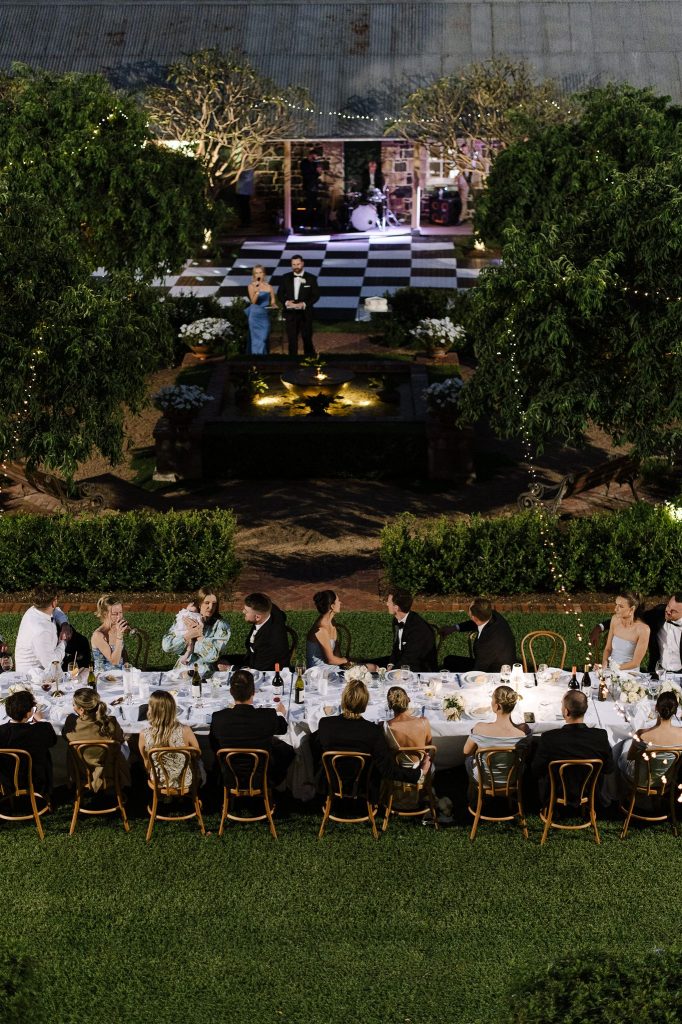
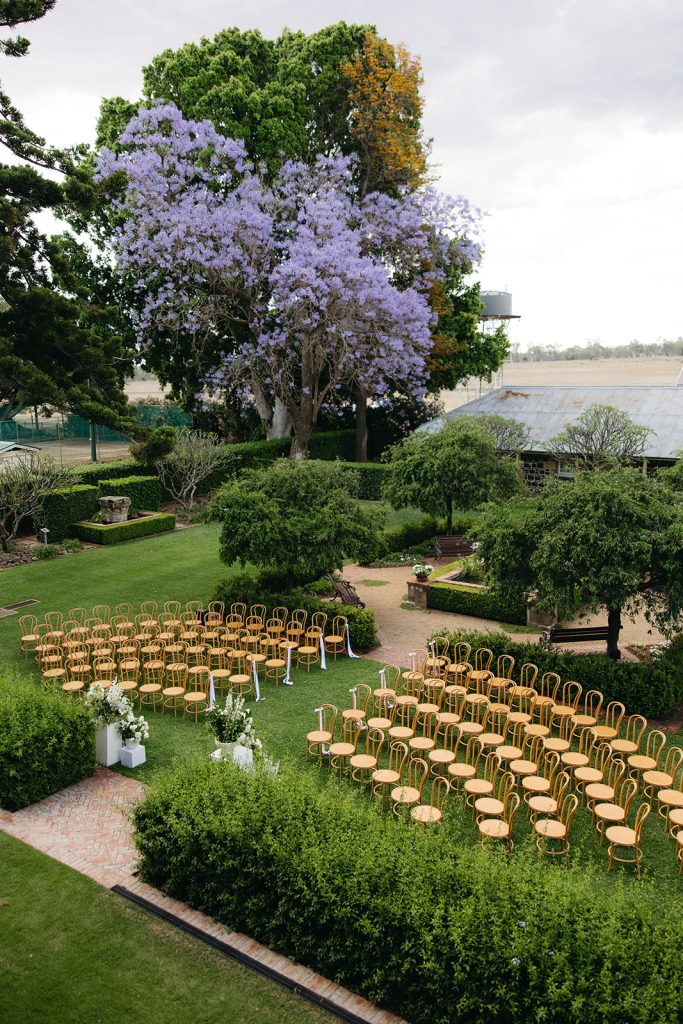
There isn’t a standard formula anymore.
Most couples take a practical approach. They decide what matters, set a number they’re comfortable with, and work backwards from there. Who pays becomes part of that conversation, not the starting point.
If you’re early in the process, focus on the big decisions first.
Venue, guest count, and catering will shape everything else. Once those are clear, the rest of the budget tends to follow.
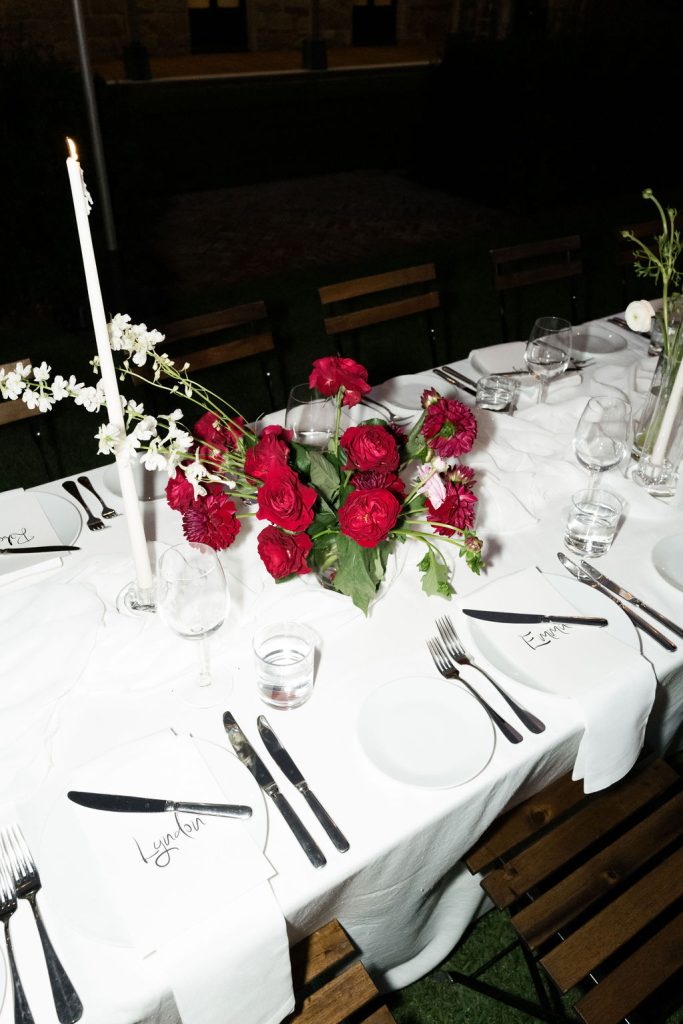
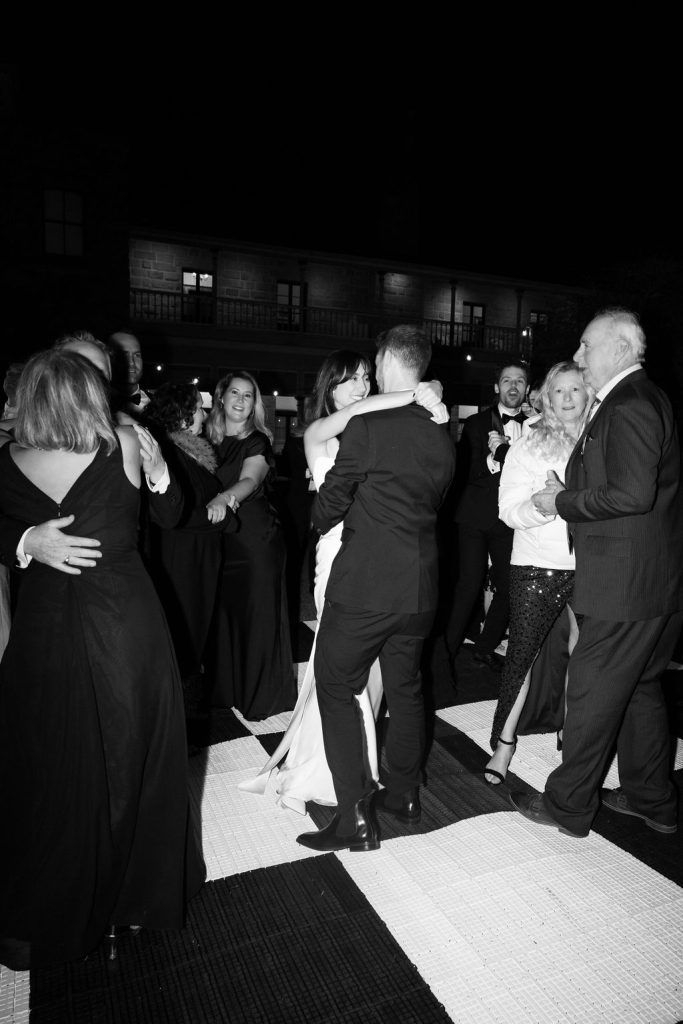
Planning a wedding now is less about following tradition and more about making it work in a way that feels right for you.
If you’re starting to map out your budget, you can download the Jimbour House wedding prospectus to see how a full day can be structured.
Photos: Kyle Ingram, Created by G, Leah Cruikshank, Mitch Birchall, Megan Kelly.